The Best Fluffy Pancakes recipe you will fall in love with. Full of tips and tricks to help you make the best pancakes.


Estella, Jiaqian Zhang
From “Pet Economy” to “Emotional Economy”: A Global Expansion
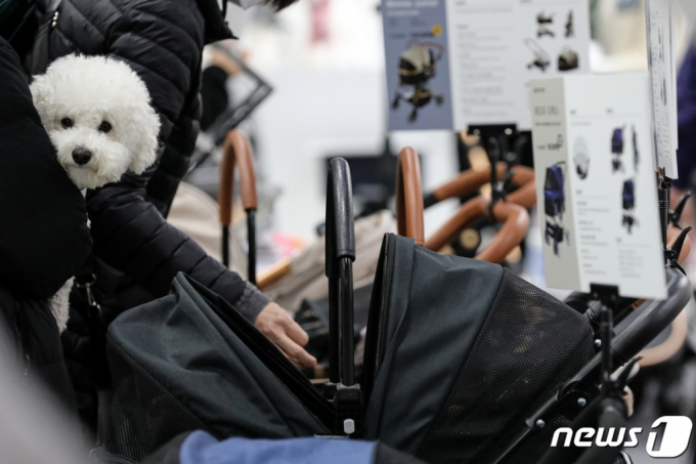
On the streets of Seoul, South Korea, baby strollers often cradle not human infants but small dogs dressed in designer outfits. Cafes, malls, and subway stations are filled with young people interacting with their pets—a phenomenon rooted in the country’s fertility rate, which has plummeted to a global low of 0.72 for eight consecutive years. Meanwhile, South Korea’s pet economy has doubled in six years to 46 trillion KRW (approximately 35.4 billion USD), now twice the size of its infant care market.
According to Precedence Research, the global pet care market is projected to grow from USD 346.01 billion in 2025 to approximately USD 643.53 billion by 2034. The U.S. pet care market alone was valued at USD 147.61 billion in 2024 and is expected to reach around USD 230.42 billion by 2034, accounting for 40% of the global total, while China follows closely at over $42.9 billion, driven by growth in smart pet products and funeral services. South Korea’s pet food sector, growing at 22% annually, and its pet healthcare market—now larger than infant healthcare—reflect East Asia’s surge in “emotional substitution” demand.
The essence of the pet economy has shifted from material consumption to emotional compensation. South Korea’s anthropomorphic services, such as pet kindergartens and wedding planning, thrive alongside China’s rising demand for pet cloning and therapy. In the U.S., 38% of pet owners have used credit cards to finance veterinary bills, underscoring the emotional bonds that keep the industry resilient. Despite inflation, the global pet market grew 6.7% in 2023.
Emotional Drivers and Consumer Reconstruction
Declining birthrates and a rise in single-person households are fueling the pet economy’s expansion. Take East Asia as an example, China’s solo-living population is expected to hit 150 million by 2025 and exceed 200 million by 2030, aligning with pets’ role as “alternative emotional companions.” A Beijing high school survey revealed that 32% of respondents view pets as family, with nearly 70% of solo dwellers relying on them for emotional support.
The intersection of pet ownership and lifestyle choices is striking: unmarried or childless individuals are significantly more likely to own pets. Notably, 73.5% of pet owners acknowledge that their pets influence their decision to have children, and 60% of pet owners admit their pets partially fulfill romantic needs, compared to less than 30% among non-pet owners.
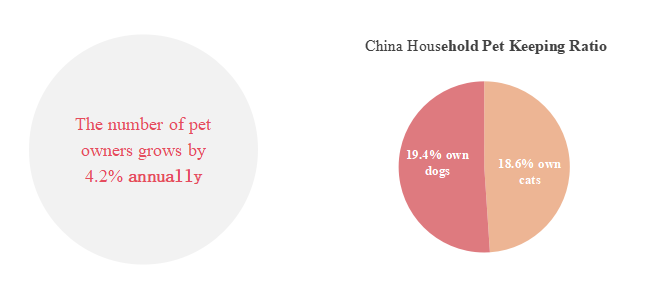
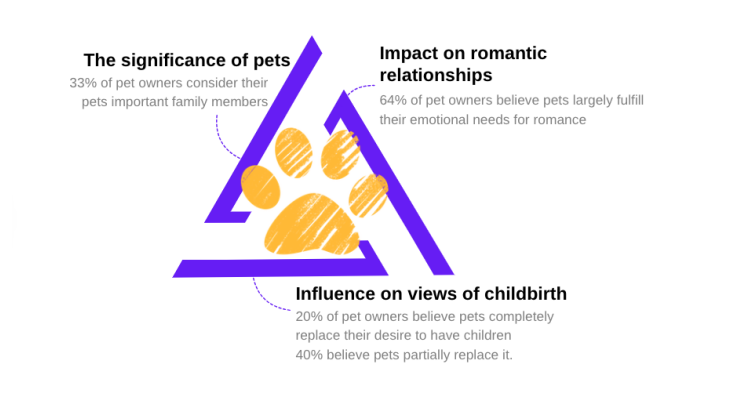
Similarly, in the United States, more than 66% of households—approximately 94 million homes—owned at least one pet in 2024, a figure rising alongside solo living, which accounted for 27.6% of U.S. occupied households in 2020. Pets are considered family by over 97% of American owners, and 53% say they trust their pets more than human partners
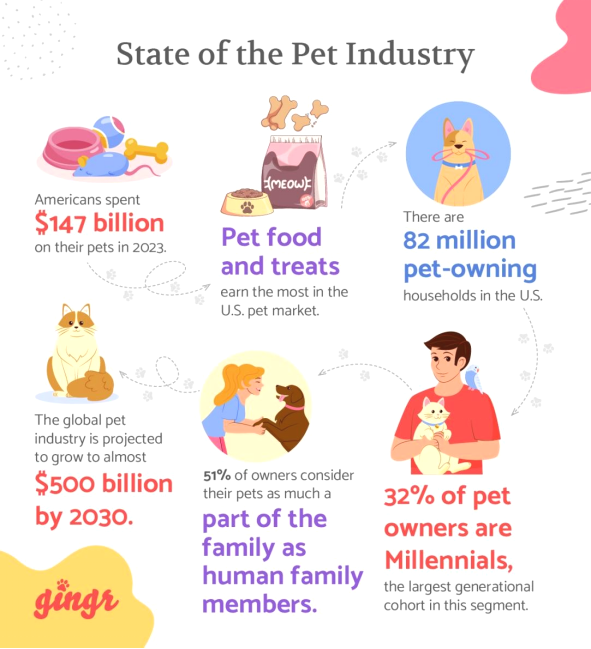
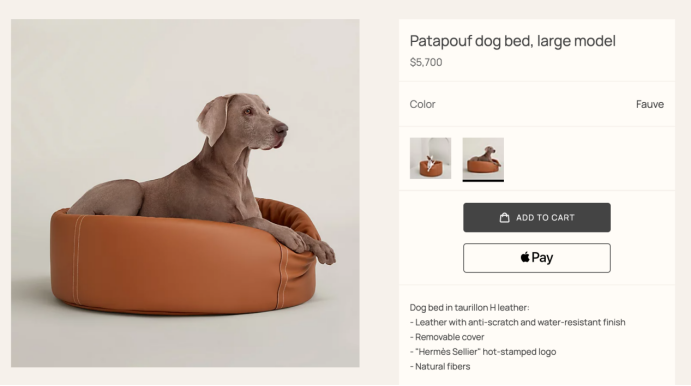
The emotional factors are reconstructing the market trends and consumption patterns, which have pivoted from basic needs to “emotional premiums.” A single pet MRI scan now costs far exceeding human equivalents. High-end funeral services, such as custom urns and memorial ceremonies, are booming as well. Luxury brands are tapping into the trend with $5,700 dog bed and dog leash cost over hundreds of dollars, mirroring human “affordable luxury” standards. These trends highlight a shift from functional utility to emotional value, reflecting pets’ status as family members.
Future Trends: From Low-Cost Manufacturing to High-End Services
Driven by emotional spending, the pet industry is rapidly upgrading toward smart, eco-friendly, and globalized solutions. Customized pet nutrition—now a USD 58.42 billion market in the U.S. —has emerged as a cornerstone trend, with 86% of dog owners and 82% of cat owners focusing on diets tailored to their pets’ age, weight, and health needs. Wearable pet tech—including GPS collars and biometric trackers—is set to reach USD 6.83 billion by 2030, empowering owners with real-time health metrics and preventative care capabilities. Automated solutions, from AI-powered feeders to self-cleaning litter boxes and ball launchers, are further streamlining daily care, underscoring how technological innovation is driving an industry-wide transformation toward precision, efficiency, and elevated emotional value.
A Symbiosis of Emotional Needs and Industrial Transformation
From pet strollers in Seoul to “parenting-style pet ownership” among China’s solo youth, the global pet economy reflects a societal coping mechanism for loneliness, intertwined with low fertility rates and individualized lifestyles. As millennials redefine pets as family, the industry evolves beyond low-cost manufacturing—smart devices, health tech, and emotional care services now dominate.
“They fill not just empty spaces in our lives, but cracks in our times,” remarked a Seoul cafe patron ordering a Puppuccino for their dog. In this interplay of emotion and commerce, the pet economy serves as both a mirror of social change and a catalyst for industrial innovation. For businesses, riding this wave is no longer optional—it’s imperative.